.svg)
Public Warning Systems: Debunking Myths, Revealing Facts








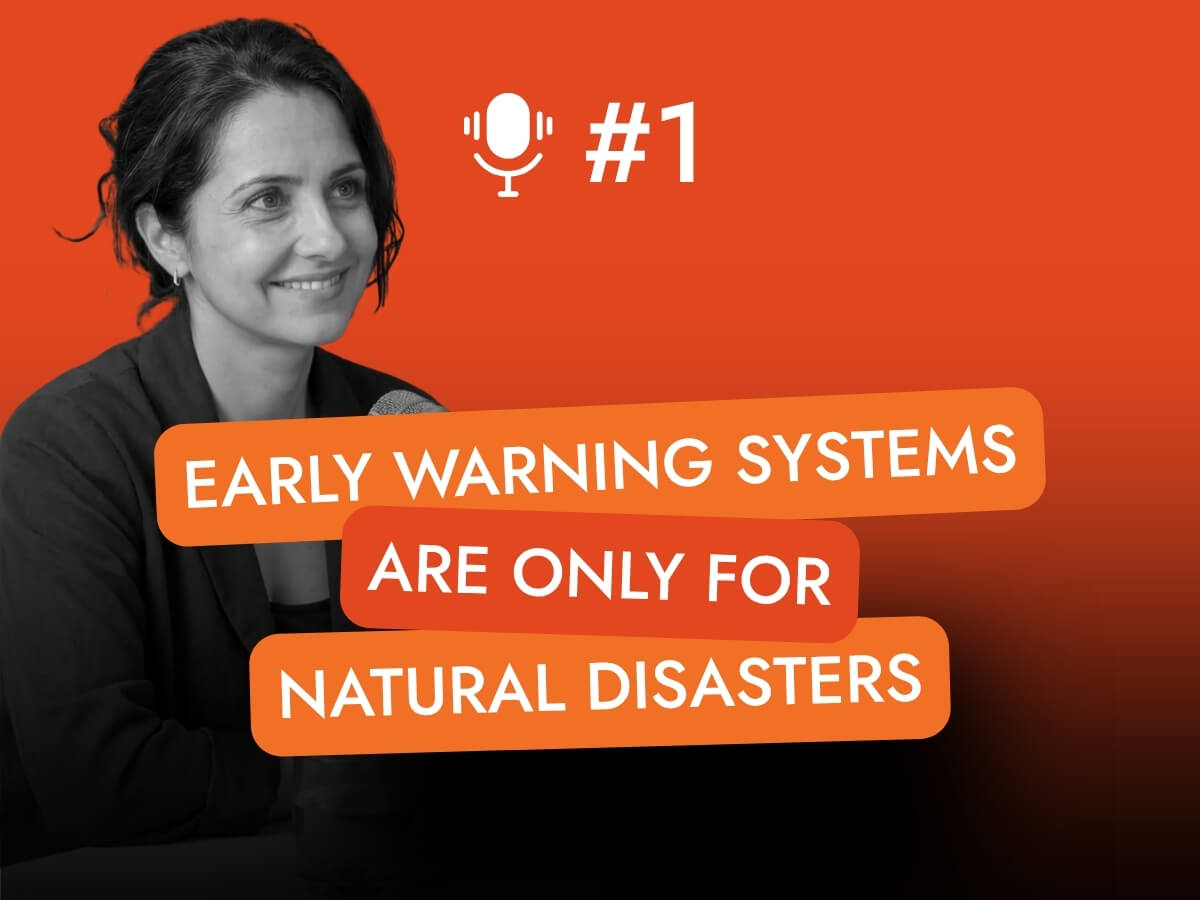
Myth #1
Security threats, industrial accidents, pandemics, child abductions — the scope of an EWS goes far beyond earthquakes and floods.
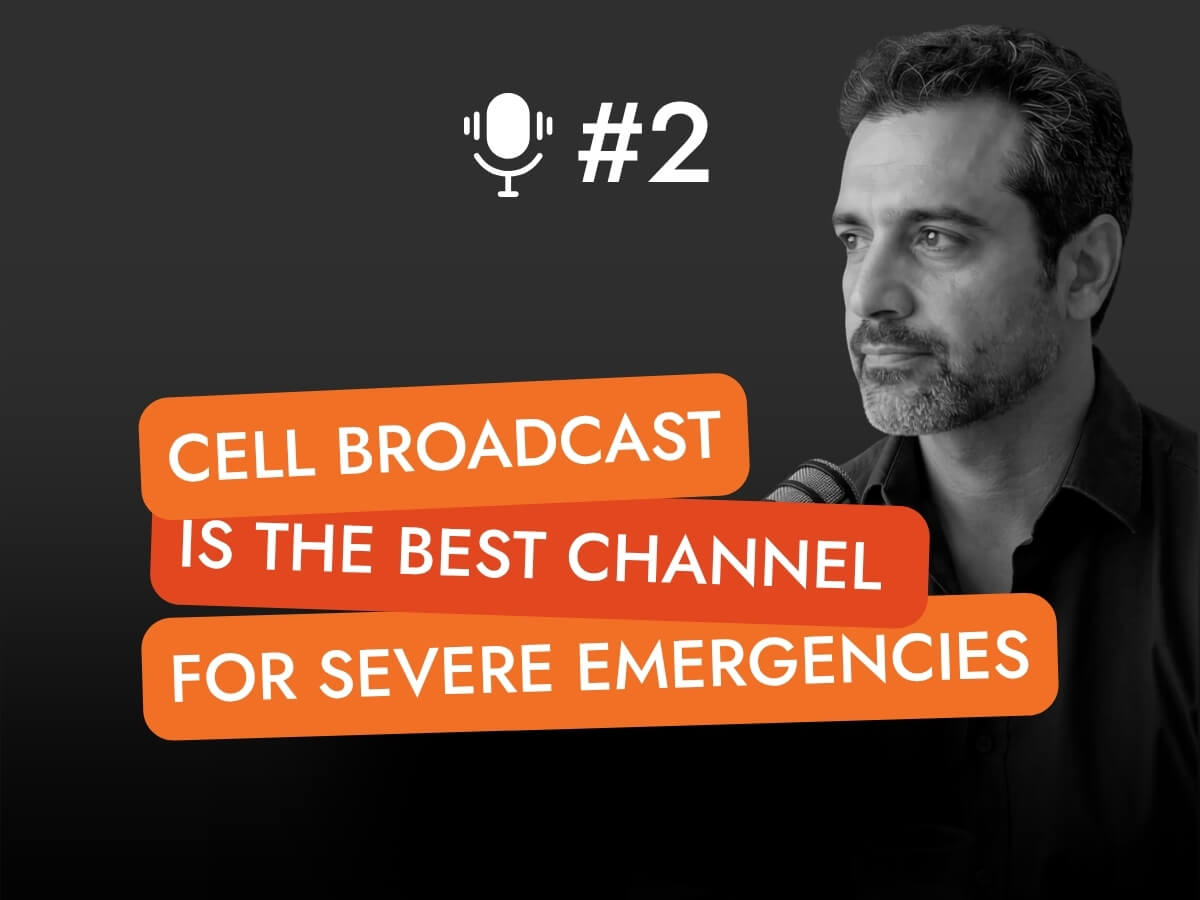
Myth #2
Severity alone doesn't determine the right channel. Immediacy, scale, and opt-out rates all matter — and nearly 1 in 3 Texans has already switched Cell Broadcast off.
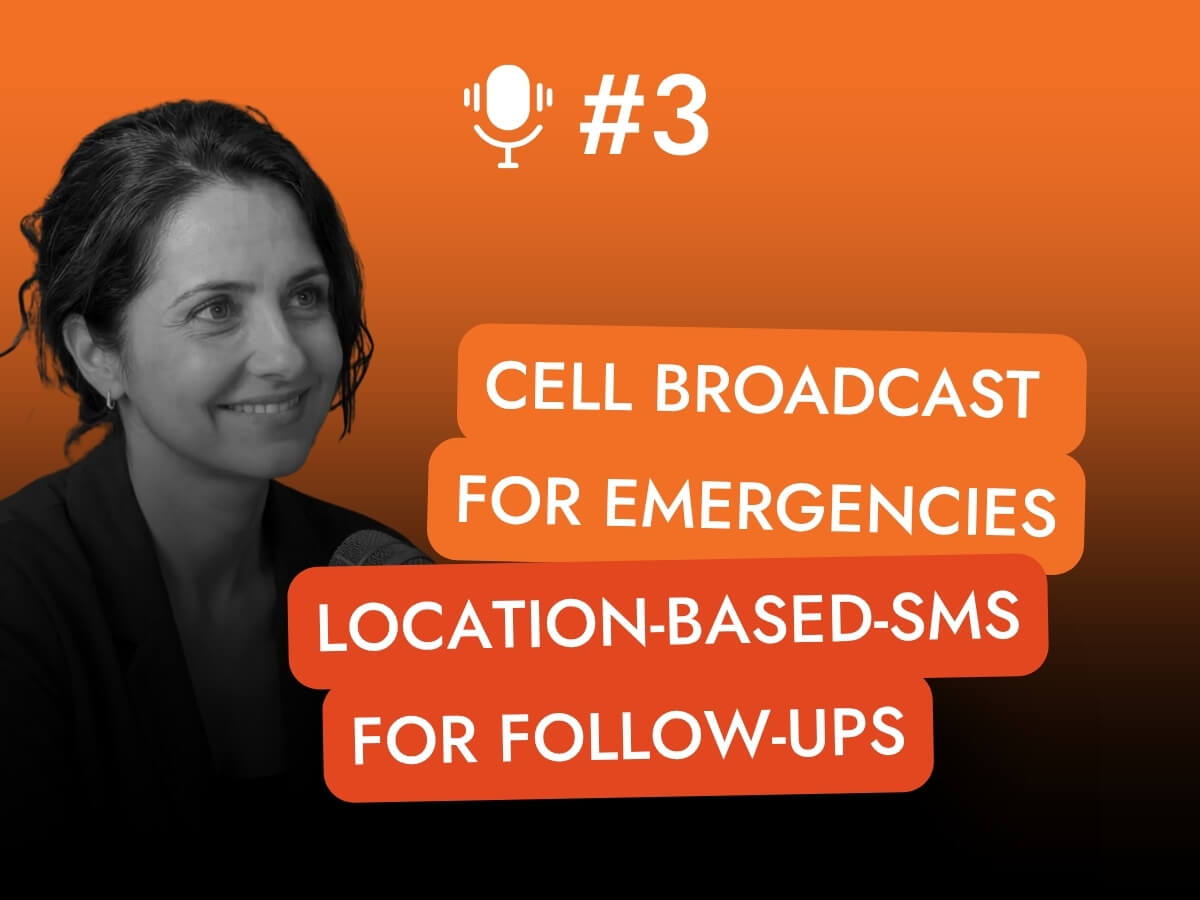
Myth #3
The real question is simpler: does this message need to wake people up in the middle of the night? That single test determines the right channel.
Myth #4
Adding LB SMS to a CB project is a marginal investment. Failing to reach people properly costs far more in human lives, not just budget lines.
Myth #5
UN EW4All opened major funding channels — but grants can be slow and incomplete. Private sector accessibility programmes and long-term financing partnerships are changing the picture
Myth #6
Coordination, infrastructure, testing — that's months of work, right? Not anymore. Cloud deployment means a national PWS can be fully operational in a matter of days.
Myth #7
Regulatory compliance, fraud detection, new revenue streams, and public pressure: once operators see the full picture laid out, the conversation changes quickly.
Myth #8
A dedicated alert SMSC, completely separate from everyday traffic, can handle tens of thousands of messages per second without touching regular network capacity.
Myth #9
Inbound visitors and outbound travellers can both be reached. HLR Bypass for incoming roamers, passive location tracking for your own subscribers abroad.
Myth #10
The system matches each message version to a SIM language profile. One citizen, one message — in the right language.
Myth #11
Level 1 is loud by design. But levels 2, 3, and 4 give authorities full control: sound, vibration, or complete silence — including a quiet all-clear at 3am.
All myths in one file
All the fact-checking in one comprehensive document, so decision-makers stay informed and avoid the mistakes misconceptions can cause.
Get started with Intersec