Cell Broadcast for Emergency Alerts
Reach everyone. Instantly. Reliably.
Cell Broadcast is a cornerstone of modern public warning. It allows governments to send targeted, high-visibility alerts without relying on mobile apps or user opt-in. Messages appear directly on screens; multilingual, location-aware, and clearly identified as official. It’s a fast, inclusive, and regulation-aligned way to reach people in danger, wherever they are.
Intersec has led the deployment of Cell Broadcast across multiple countries, supporting both telecom operators and national authorities. Intersec combines telecom-grade reliability with the agility of a cloud-native architecture, ensuring our partners stay alert-ready at all times.

Cell Broadcast Center
At the heart of a Cell Broadcast System, the CBC is the central node responsible for receiving, formatting, and distributing alert messages to the mobile network. It manages message prioritization, scheduling, repetition, and expiry, and interfaces with external alerting authorities. Intersec’s CBC ensures high throughput, resilience, supporting large-scale alerting with minimal latency and carrier-grade reliability.
Cell Broadcast Entity
The CBE is the interface used by authorized alerting authorities to initiate messages. It enables secure message creation, area selection, approval workflows, and audit trails. The Intersec CBE is fully customizable and CAP-compliant, allowing fast, role-based alert issuance through a user-friendly interface. It ensures traceability, authentication, and rapid execution even under crisis pressure.
Multi-operator coordination
Public warning systems must work seamlessly across all mobile networks in a country. Intersec’s architecture is designed for centralized control and coordination across multiple operators, ensuring consistent message delivery regardless of the subscriber’s network. Our proven deployments demonstrate smooth multi-MNO integration, without compromising performance or sovereignty.
→ During an emergency, an authorized government official uses the GeoSafe PWS interface to define the target area, compose the alert message, and initiate its transmission.
→ The message is then sent via Intersec’s Cell Broadcast Center, which interfaces with the operator’s network infrastructure.
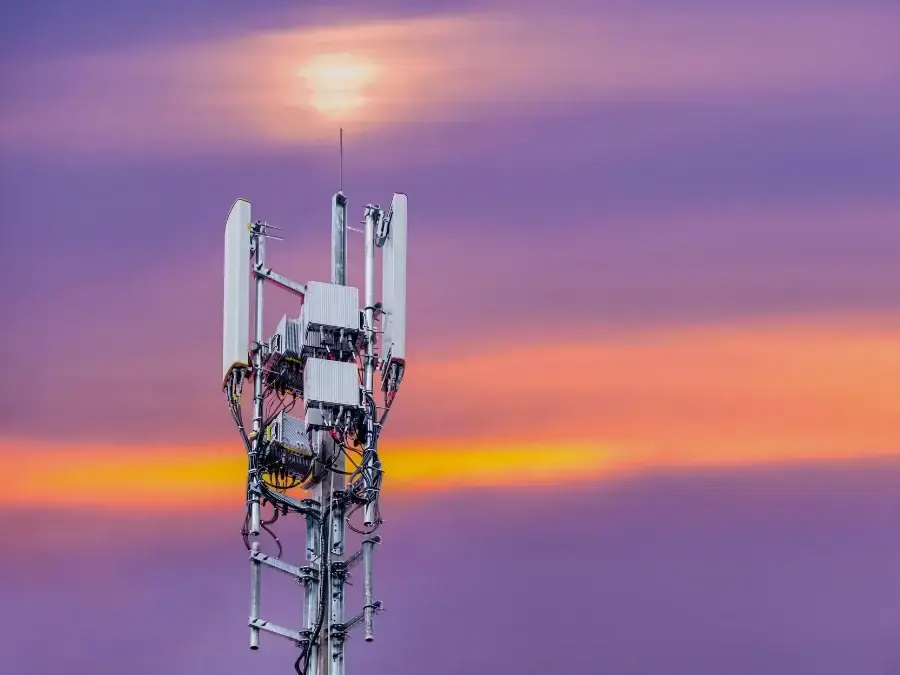
→ All connected cell towers within the selected area are activated to transmit the alert using a dedicated broadcast channel.
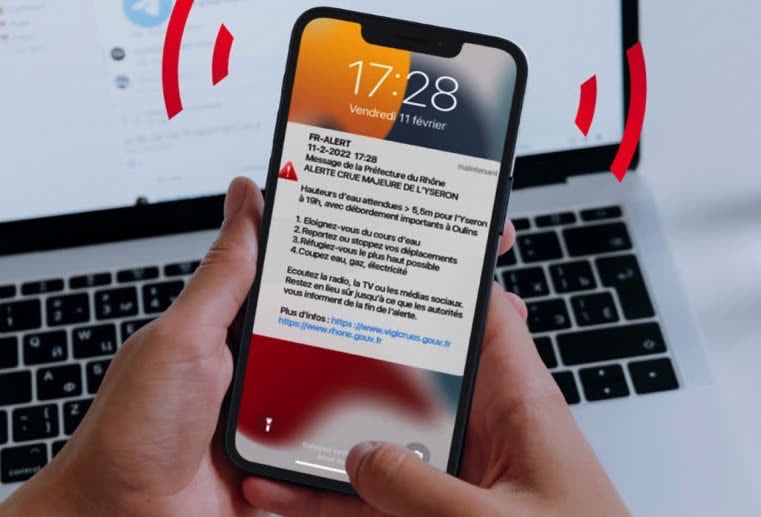
→ Every mobile device, including those of roaming users, currently connected to those towers receives the alert instantly, displayed prominently on the screen and accompanied by a distinctive warning sound.

Define the message or use template & target zone in real time
Cell Broadcast Center transmits message to all mobile phones in the selected area
No app needed, loud sound notification with pop-up
Intersec Cell Broadcast System advantages
Geo-targeted alerts
Standards-compliant
User friendly interface
Instant mass delivery
Network-load resistant
Multi-language support
2G–5G compatible
CAP input compatible
Featured content

Success Story - Telefonica
Intersec partnered with Telefónica Ingeniería de Seguridad (TIS) to develop and integrate a robust solution tailored to Telefonica O₂ Germany’s needs. The integration process was completed swiftly and efficiently, ensuring that the system was ready for large-scale deployment to the 45 million subscribers.

QUESTIONS
Frequently asked questions
How does Intersec support Cell Broadcast System deployment?
moreIntersec provides a complete, carrier-grade Cell Broadcast solution, from core system integration to regulatory compliance and operational support. We have experience working with both telecom operators and government agencies in large-scale deployments. Our platform is modular, scalable, and cloud-ready, and it integrates seamlessly into existing mobile network environments.
What makes Cell Broadcast different from SMS or mobile apps?
moreCell Broadcast does not rely on mobile data, internet access, or user subscriptions. Unlike SMS, it sends a single message to all mobile devices within a specific area, without knowing their phone numbers. It’s also not subject to network congestion, and it works even if the network is overloaded. Unlike mobile apps, CB requires no download or opt-in, ensuring maximum population reach during emergencies.
Is Cell Broadcast compliant with regulations?
moreYes. Cell Broadcast is fully aligned with the European Electronic Communications Code (EECC), which mandates that all EU Member States implement a mobile public warning system. Intersec’s solution is designed to meet both the technical and regulatory requirements outlined by ETSI and 3GPP standards, ensuring interoperability and long-term compliance.
Is Cell Broadcast secure and privacy-friendly?
moreYes. Cell Broadcast does not collect or store personal data. Messages are delivered based on device location, not identity. The system is managed by authorized government bodies and runs on secure telecom infrastructure, ensuring trusted, one-way communication without compromising user privacy.
Can Cell Broadcast messages reach tourists and foreign mobile users?
moreAbsolutely. CB messages are received by any mobile phone connected to a local network, including those using roaming services. This makes it ideal for countries with high tourist traffic or cross-border regions, as it allows authorities to alert both residents and temporary visitors without any pre-registration.
What kind of content can be sent via Cell Broadcast?
moreAuthorities can send short text messages (up to 1,395 characters depending on device and network support), with high visibility and the ability to override silent mode on supported devices. Messages can be geo-targeted, time-sensitive, and multilingual, depending on the context of the alert and the audience.
Get started with Intersec
We help telcos and public authorities embrace the digital revolution as we believe data transform the way our customers work.
Let us answer your questions and explain how we can help.
click here to learn more about early warning systems for disaster resilience